
"Foreign businessmen"
300 article(s) found

The characteristics of Ethiopian Coffee training institutions for Essex Coffee Flavor
Boutique coffee (specialty coffee) is also called specialty coffee selection coffee. It refers to coffee made from a small number of raw beans with excellent taste grown in an ideal geographical environment. Depending on the special soil and climatic conditions in which they grow, they have outstanding flavor. After strict selection and classification, this kind of coffee is hard in texture, rich in taste and stylish.

Boutique Coffee Culture appreciate Amsterdam Coffee style
The most famous in the Netherlands is tulips, windmills, wooden shoes, and a big coffee trading country. The Dutch began drinking coffee at home at the turn of the 16th century. Until the opening of the first coffee shop in the mid-1660s, almost no family did not drink coffee in the morning. Not only the upper-middle class, but also their servants can taste coffee. These coffee houses all have their own unique style. Especially

Washed Fine Coffee Lim Coffee from Ethiopia
Coffee is Ethiopia's most important export cash crop and the main source of Ethiopia's foreign exchange earnings. Ethiopia's coffee exports account for about 3% of the world market, making it the eighth largest coffee exporter in the world. Coffee exports increased steadily from 58000 tons in 1990 to 110000 tons in 1995-1996 and remained at this level in the following years. 2001-2002

Introduction to the flavor of Ethiopian coffee
Coffee is Ethiopia's most important export cash crop and the main source of Ethiopia's foreign exchange earnings. Ethiopia's coffee exports account for about 3% of the world market, making it the eighth largest coffee exporter in the world. Coffee exports increased steadily from 58000 tons in 1990 to 110000 tons in 1995-1996 and remained at this level in the following years. 2001-2002

Introduction to the flavor and taste of Ecuadorian coffee Hassanda Coffee Garden
When it comes to Ecuadorian coffee, we have to mention the organic coffee in the Galapagos Islands of Ecuador. The Galapagos Islands, a famous tourist attraction, has been declared a World Natural Heritage site by the United Nations Educational, Scientific and Cultural Organization (UNESCO). It is extremely rich in products, and organic coffee is one of the unique ones. The local fertile volcanic soil, micro-climate and other unique ecological environment, coupled with its lack of

Ethiopian Coffee Flavor Taste Manor introduces Ethiopian Coffee Brands
In Ethiopia, the grading and quality control system of coffee is divided into three levels: producer, regional and national. All coffee is inspected by local inspection agencies before leaving the country of origin, and then re-tested at the coffee inspection and grading centers in Addis and Diredawa to determine its quality grade. Coffee is graded before auction and sale, for all involved in production, acquisition,

Ethiopian boutique coffee Ethiopia boutique coffee flavor Ethiopian boutique coffee
Coffee is Ethiopia's most important export cash crop and the main source of Ethiopia's foreign exchange earnings. Ethiopia's coffee exports account for about 3% of the world market, making it the eighth largest coffee exporter in the world. Coffee exports increased steadily from 58000 tons in 1990-91 to 110000 tons in 1995-96 and remained at this level in the following years. 2001-2002

Chinese Coffee Information what should Hainan Coffee learn from Foreign Brands
These days, a coffee chain brand from the United States is noticed by some media and complained by some netizens because of its price, but there is still an endless stream of coffee customers going to consume it. After all, with the improvement of people's spending power and the change of lifestyle, coffee consumption has become one of the trends for many people to pursue the quality of life. As an early area of growing coffee in our country

Ethiopian fine coffee with intense nutty aromas Taste Introduction
Coffee is Ethiopia's most important export cash crop and the main source of foreign exchange earnings. Ethiopia's coffee exports account for about 3% of the world market share, making it the eighth largest coffee exporter in the world. Coffee exports increased steadily from 58,000 tons in 1990-1991 to 110,000 tons in 1995 - 1996 and remained at that level for the next few years. 2001 - 2002
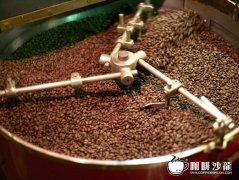
What should Chinese Coffee Development Hainan Coffee learn from Foreign Brands?
These days, a coffee chain brand from the United States is noticed by some media and complained by some netizens because of its price, but there is still an endless stream of coffee customers going to consume it. After all, with the improvement of people's spending power and the change of lifestyle, coffee consumption has become one of the trends for many people to pursue the quality of life. As an early area of growing coffee in our country

Where is the origin of mocha coffee? what is the origin price of mocha coffee beans in Yemen?
Professional coffee knowledge exchange more coffee bean information please follow the coffee workshop (Wechat official account cafe_style) Ethiopia is the birthplace of coffee, can start directly from the history of drinking. In 850, a shepherd in Ethiopia found that his goat became energetic after eating a certain fruit. When a group of hating couples found out, they ate it but felt very bitter and disappointed, so they will pick it.

Ethiopian Limu Coffee introduces the Manor of Coffee producing area
Coffee is Ethiopia's most important export cash crop and the main source of Ethiopia's foreign exchange earnings. Ethiopia's coffee exports account for about 3% of the world market, making it the eighth largest coffee exporter in the world. Coffee exports increased steadily from 58000 tons in 1990 to 110000 tons in 1995-1996 and remained at this level in the following years. 2001-2002

West Damomo Lion King Coffee Bean Flavor Description Processing Variety Characteristics Introduction to the region
Before 1974, the production, processing and trade of coffee were in private hands. Private farms were nationalized and smallholder coffee producers neglected during the military regime. In 1991, the Transitional Government of Ethiopia enacted a new economic policy to encourage private coffee exports. result,

General knowledge of boutique coffee culture and taste of Amsterdam coffee
The most famous in the Netherlands is tulips, windmills, wooden shoes, and a big coffee trading country. The Dutch began drinking coffee at home at the turn of the 16th century. Until the opening of the first coffee shop in the mid-1660s, almost no family did not drink coffee in the morning. Not only the upper-middle class, but also their servants can taste coffee. These coffee houses all have their own unique style. Especially

Ethiopia coffee beans grinding scale varieties of production area treatment method Manor introduction
In Ethiopia, coffee classification and quality control systems are divided into producer, regional and national levels. All coffees are inspected by local inspection agencies before they leave the country of origin, and then re-inspected at coffee inspection and grading centres in Addis and Diredova to determine their quality grade. Coffee is graded prior to auction and sale, and all participants in production, acquisition,

Amsterdam Coffee style the Dutch can't do without coffee
The most famous in the Netherlands is tulips, windmills, wooden shoes, and a big coffee trading country. The Dutch began drinking coffee at home at the turn of the 16th century. Until the opening of the first coffee shop in the mid-1660s, almost no family did not drink coffee in the morning. Not only the upper-middle class, but also their servants can taste coffee. These coffee houses all have their own unique style. Especially
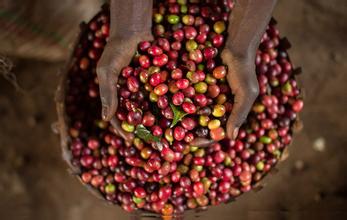
Boutique coffee beans Ethiopian coffee the latest coffee introduction unique flavor
Coffee is Ethiopia's most important export cash crop and the main source of Ethiopia's foreign exchange earnings. Ethiopia's coffee exports account for about 3% of the world market, making it the eighth largest coffee exporter in the world. Coffee exports increased steadily from 58000 tons in 1990 to 110000 tons in 1995-1996 and remained at this level in the following years. 2001-2002

The growing environment of coffee trees in Ethiopia introduces Ted Manor
Coffee is Ethiopia's most important export cash crop and the main source of Ethiopia's foreign exchange earnings. Ethiopia's coffee exports account for about 3% of the world market, making it the eighth largest coffee exporter in the world. Coffee exports increased steadily from 58000 tons in 1990 to 110000 tons in 1995-1996 and remained at this level in the following years. 2001-2002

Ethiopian coffee bean producing area of Ethiopian coffee bean flavor manor
Coffee is Ethiopia's most important export cash crop and the main source of Ethiopia's foreign exchange earnings. Ethiopia's coffee exports account for about 3% of the world market, making it the eighth largest coffee exporter in the world. Coffee exports increased steadily from 58000 tons in 1990 to 110000 tons in 1995-1996 and remained at this level in the following years. 2001-2002